Sleep, hydration and active recovery can speed up recovery in days. Get a practical timeline and learn when to seek care.

7 Ways to Speed Up Recovery After Injury or Workout
read more

Sleep, hydration and active recovery can speed up recovery in days. Get a practical timeline and learn when to seek care.
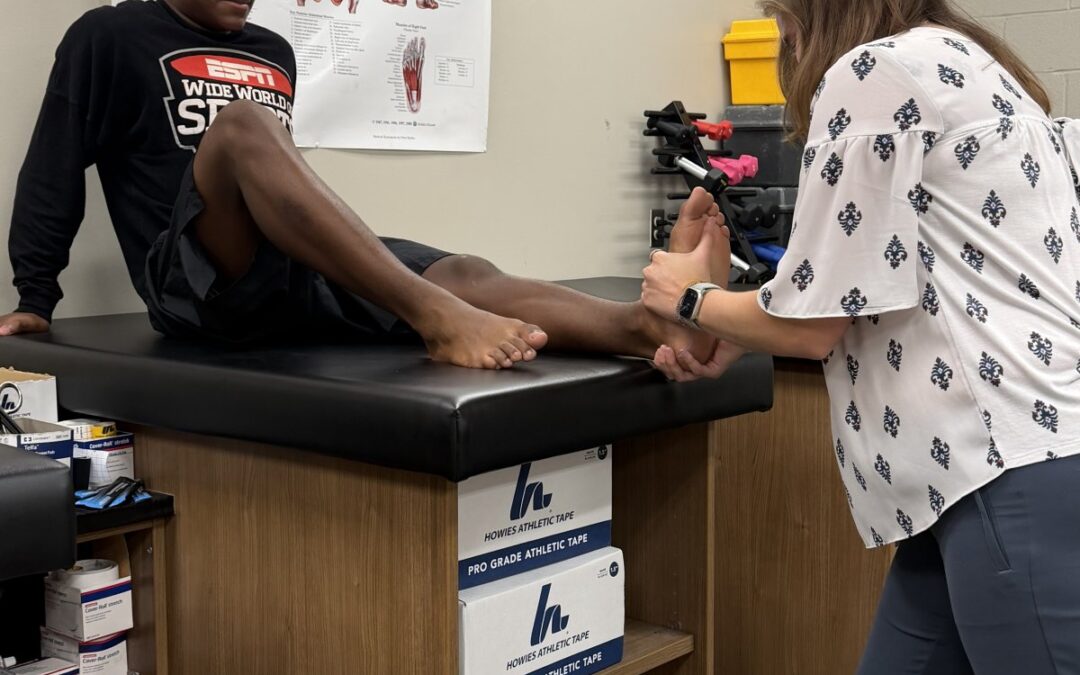
Starting therapy? Know the 7 things to expect, from intake questions to session length, and learn how to find the right fit in this guide.
Have a free discovery call to talk with one of our therapists.

Last Updated: November 2, 2026
Quick Summary
To find a local physical therapy clinic, search by ZIP code, by condition, and through your insurer’s in-network directory, then merge the results and de-duplicate. Before you call, confirm insurance acceptance, specialty fit, wait times, and location logistics. A clinic you can attend reliably often serves you better than a closer one you skip.
Finding a local physical therapy clinic starts with knowing where to look and what to verify before you call. Patients often waste weeks bouncing between providers who couldn’t address their actual problem.

Most people start with a search engine query or a doctor’s referral. Both work, but neither guarantees a good match, a clinic five minutes away can still be wrong for your recovery.
Provider directories and search tools narrow your options fast, but they only tell you who exists, not who treats your condition well. Use them as a starting list, not a final answer.
Start with these sources:
Insurance company directories list in-network providers, which matters for cost. Search your plan’s online directory first, then call the clinic to confirm it is still in-network, directories go stale.
Healthgrades and Zocdoc let you browse physical therapists by location and read basic provider information.
State licensing boards can confirm whether a provider’s license is active.
Physician referrals from your doctor or surgeon often carry the most weight.
For a broader look at how provider credentials are verified, the Federation of State Boards of Physical Therapy maintains information on licensure standards across states.
A single search rarely surfaces the full local market. Run the same query three ways and merge the results:
Then de-duplicate. A clinic appearing in your insurer’s directory, a review site, and a physician referral list is a stronger candidate than one appearing in only one source.
Before you dial a clinic, confirm four things: insurance acceptance, availability, specialty fit, and location logistics.
Run through this checklist:
A common mistake is booking the first clinic that answers the phone. Ten minutes of screening prevents months of mismatched care.
Location is more than mileage. Confirm the details that decide whether you’ll actually attend every visit:
Choosing a physical therapist comes down to matching clinical expertise to your diagnosis, not picking the nicest waiting room.
Ask directly about their experience with your condition, since providers who treat a given condition regularly often have more developed protocols for it.
Credentials matter too.
When you compare providers, weigh these factors:
| Factor | Why It Matters | What to Ask |
|---|---|---|
| Specialty fit | Treatment protocols vary by condition | “How often do you treat my diagnosis?” |
| Credentials | Signals depth of training | “Are you fellowship-trained or board-certified?” |
| Session format | One-on-one care vs. group | “Will I see the same therapist each visit?” |
| Location | Affects attendance consistency | “How close is the clinic to my home or work?” |
| Availability | Early scheduling speeds recovery | “When is your next opening?” |
Consistency matters as much as convenience: a clinic you can attend reliably often serves you better than a closer one you skip.
The best way to judge a clinic is to ask pointed questions before you commit. Vague answers are a warning sign.
Bring this list to your first call:
Physical therapy insurance coverage depends on your plan, your deductible, and whether the clinic is in-network. Most plans cover medically necessary therapy, but details vary widely.
Before your first visit, call your insurer and confirm:
Medicare and most commercial plans typically cover outpatient physical therapy when it’s medically necessary, though visit limits and documentation requirements apply. For official details on what Medicare covers, check the Medicare coverage guidelines for physical therapy.
Watch out: a clinic that doesn’t verify your benefits upfront can leave you with a surprise bill. Ask for a cost estimate before your first appointment, and whether payment plans exist.
Your first physical therapy appointment is an evaluation, not a workout.
Here’s how the visit usually unfolds:
Bring your insurance card, a referral if you have one, comfortable clothing, and a list of medications. Expect the evaluation to take longer than follow-up visits.
According to the American Physical Therapy Association, patients who understand their plan of care tend to stay engaged with treatment, which supports better recovery.
The right local physical therapy clinic depends on your goal, not just your diagnosis. A runner returning to competition needs different care than an office worker managing chronic neck pain.
Match your goal to the clinic’s strengths:
Most directories list “orthopedic” and “sports” and stop there. Use this map to translate your problem into the specialty language a clinic will recognize:
| Your situation | Specialty to ask for | What to verify |
|---|---|---|
| Knee, hip, or shoulder replacement | Post-surgical orthopedic rehab | Surgeon communication, protocol timeline, same-therapist continuity |
| ACL or meniscus injury | Sports rehabilitation | Return-to-sport testing, strength benchmarks before discharge |
| Chronic low back or neck pain | Orthopedic manual therapy | One-on-one session length, hands-on treatment, home program |
| Dizziness, vertigo, imbalance | Vestibular rehabilitation | Provocative testing, fall-risk screening, gait training |
| Pelvic pain, incontinence, postpartum | Pelvic floor physical therapy | Private treatment space, internal assessment training |
| Stroke or neurological condition | Neurological rehab | Gait and balance equipment, coordination with neurology |
| Hand, wrist, or elbow injury | Hand therapy | Certified hand therapist on staff |
| Work-related strain or repetitive injury | Occupational or industrial rehab | Workers’ compensation experience, employer communication |
A short call can tell you whether a clinic’s specialty claims hold up for your condition:
No clinic wins on every factor. Decide which trade-off you can live with before you compare:
At Elite Therapy Solutions, our fellowship-trained doctors of physical therapy build personalized therapy programs and collaborate directly with referring doctors so your care stays coordinated.
The gap between a clinic that treats your condition and one that treats everyone the same is the difference between real progress and months of frustration.
Elite Therapy Solutions offers personalized physical and occupational therapy built around your specific recovery goal.
Ready to stop searching and start recovering? Contact us to book your evaluation and get a personalized plan from a team that treats your goal as the target.
Start with a provider directory or map search filtered by your ZIP code, then narrow the list by specialty, appointment availability, and insurance acceptance. Call two or three clinics and ask whether they treat your specific condition and how soon you can be seen. Confirm the address and parking situation before booking, since a convenient location helps you keep every visit on schedule.
Referral requirements vary by state and by insurer. Some states allow direct access, meaning you can see a physical therapist without a physician referral, while others limit treatment duration without one. Call your insurance plan and the clinic to confirm what your policy requires. If you have a referral, bring it to your first visit so the clinic can coordinate with your doctor.
Call the clinic with your insurance card in hand and ask whether they are in network for your specific plan, not just the insurer. Ask what your copay or coinsurance will be and whether prior authorization is needed. Request the answer in writing or by email. Confirm physical therapy insurance coverage details before your first appointment so there are no billing surprises.
Expect a thorough evaluation: your therapist will ask about your symptoms, medical history, and goals, then assess movement, strength, and range of motion. Wear comfortable clothing you can move in and bring a list of medications plus any imaging reports. The visit usually lasts about an hour and ends with a proposed treatment plan and a schedule for follow-up sessions.
Ask whether the therapist is licensed and what credentials they hold, how many visits your condition typically requires, and whether you will see the same therapist each session. Ask how progress is measured and what happens if you are not improving after a few weeks. Also confirm the cancellation policy and expected out-of-pocket cost before you commit.
