Find a local physical therapy clinic with this guide to choosing a provider, checking insurance, and preparing for your first visit. Book with confidence.
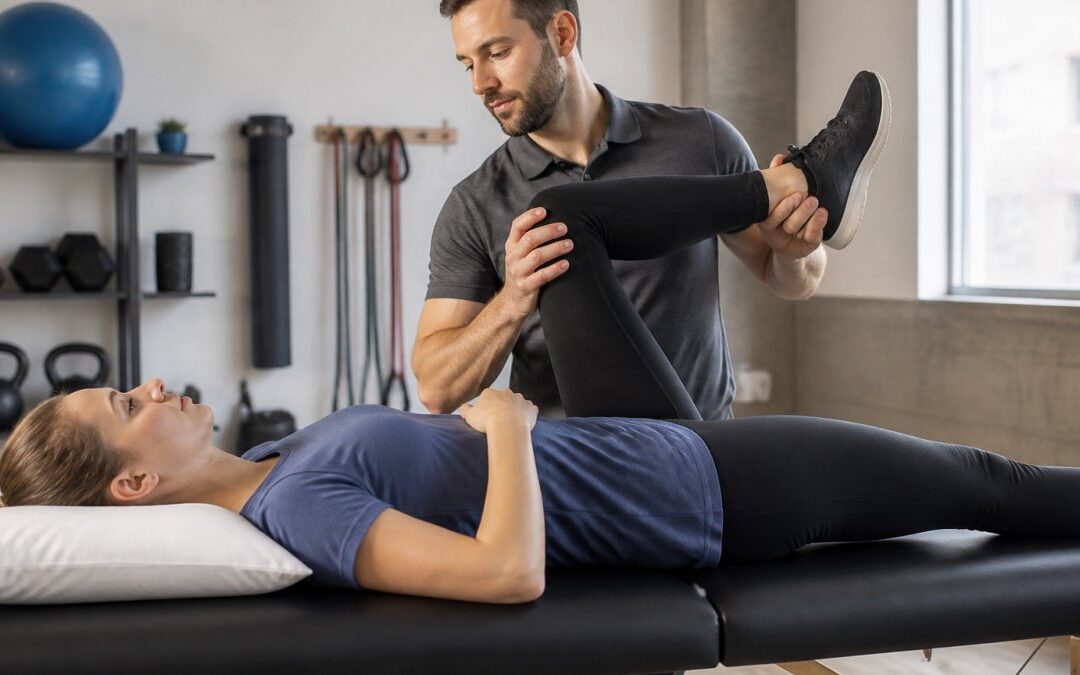
Find a Local Physical Therapy Clinic That Fits Your Recovery
read more

Find a local physical therapy clinic with this guide to choosing a provider, checking insurance, and preparing for your first visit. Book with confidence.
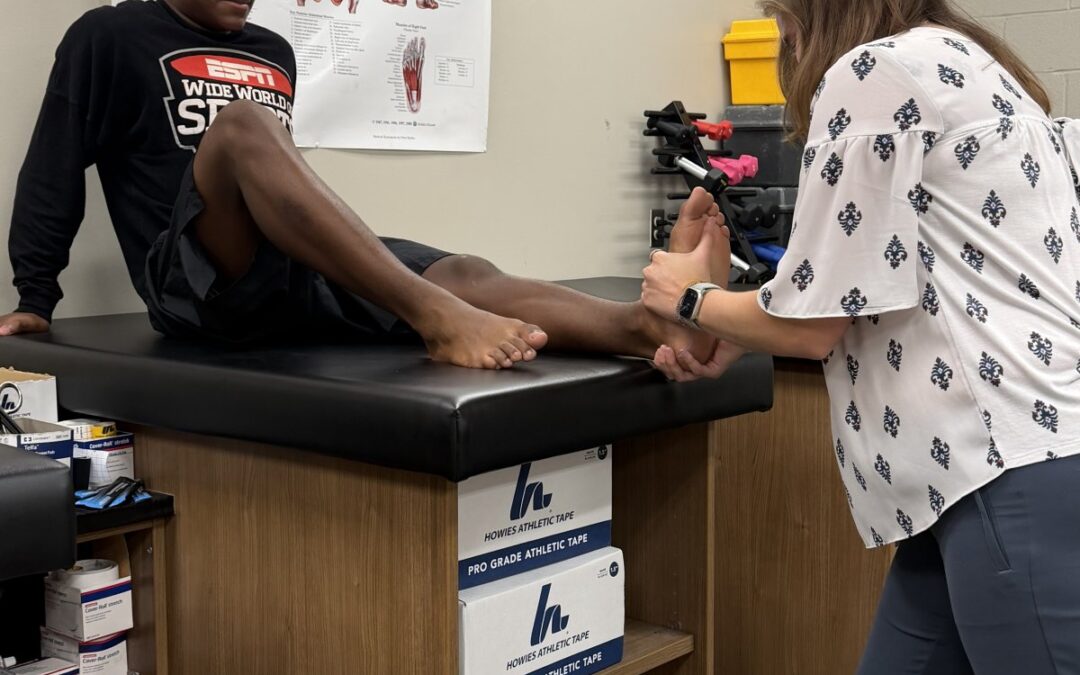
Starting therapy? Know the 7 things to expect, from intake questions to session length, and learn how to find the right fit in this guide.
Have a free discovery call to talk with one of our therapists.
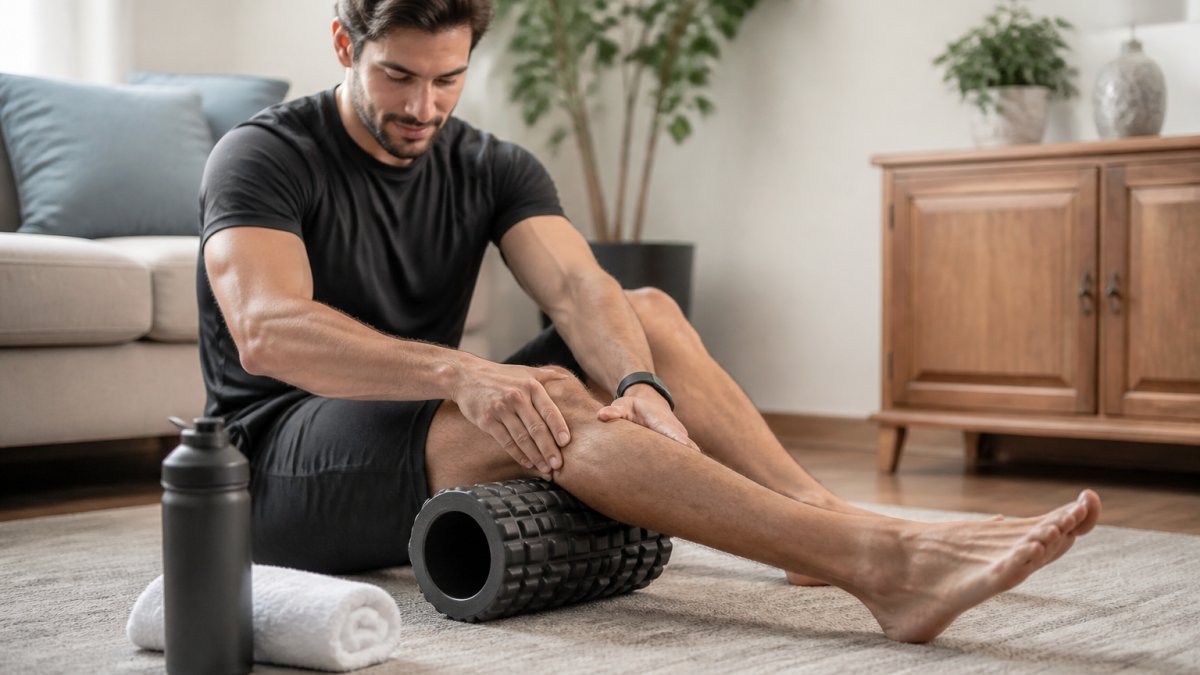
Last Updated: November 1, 2026
Quick Summary
To speed up recovery, prioritize seven to nine hours of sleep, stay hydrated, and eat a post-workout meal with protein and carbohydrates. Add light active recovery, protect injured tissue, and get physical therapy if pain lasts more than a week or two.
Not all soreness is the same, and that changes how to speed up recovery. Muscle soreness after a hard workout is a normal response to stress.
Someone finishes a tough run, feels a sharp pull, and assumes it is just soreness. Two weeks later, the pain is still there.
The key difference comes down to what is actually happening in the body:
The American Academy of Orthopaedic Surgeons patient resources explain that soft-tissue injuries follow predictable healing phases. Your recovery plan should match the phase you are in.
Sleep is one of the most important recovery tools. Deep sleep is when the body releases growth hormone and repairs muscle tissue.
Most adults need seven to nine hours per night. Athletes in hard training often need more. A common mistake is cutting sleep to fit in extra training. That trade almost always backfires.
What separates a good sleep habit from a great one is consistency and timing, not just duration:
A practical test: if you need an alarm to wake up most days and still feel groggy, you are probably running a sleep debt that is slowing recovery.
Hydration matters just as much. Muscle is mostly water, and dehydration slows circulation and nutrient delivery. A simple check: pale yellow urine means you are well hydrated. Dark yellow means drink more.
Go beyond the color check with these habits:
Sleep and hydration are the foundation. Get them right before spending money on anything else.
Food is repair material. A post-workout meal with protein and carbohydrates helps rebuild muscle and refill energy stores.
Protein supports muscle repair. Carbohydrates restore glycogen, the fuel your muscles burn. Healthy fats help with inflammation control over time.
A practical plate looks like this:
What most guides miss is consistency. One perfect meal will not speed recovery. A steady pattern of balanced eating will. The USDA Dietary Guidelines offer a solid baseline for building those meals.

Active recovery is light movement that boosts blood flow without adding stress. It helps clear metabolic waste and reduces stiffness. The goal is easy effort, not a second workout.
Good options include:
Keep intensity low. You should be able to hold a conversation the whole time. If active recovery leaves you more tired than before, dial it back.
Most muscle soreness fades within 24 to 72 hours. That is the typical window for delayed onset muscle soreness after a hard session. Full recovery from a tough workout, including energy and strength, often takes a bit longer.
Several things change the timeline:
A common mistake is judging recovery by soreness alone. Feeling fine does not always mean you are ready for another hard session. Watch your energy, sleep, and performance too.
Use this as a rough guide, not a rigid rule. Adjust based on how you feel and perform.
Immediately after exercise (0-2 hours):
The rest of the day:
The next day (24-48 hours):
48-72 hours:
Beyond 72 hours:
Rather than guessing, use a few simple checks:
If most of these are true, a gradual return to harder training is reasonable. If several are false, another easy day is usually the smarter move.
Recovery timelines are individual. The numbers above are starting points; your own pattern across weeks is the best guide.
Here is a rough recovery timeline to use as a guide, adjusting it to how you feel and perform.
| Timeframe | What to do |
|---|---|
| Immediately after exercise (0-2 hours) | Cool down 5 to 10 minutes; drink water or electrolytes; eat protein and carbs |
| The rest of the day | Keep moving lightly; prioritize normal bedtime and full night’s sleep; avoid alcohol |
| The next day (24-48 hours) | Expect soreness to peak; use active recovery; light training if soreness is mild |
| 48-72 hours | Soreness should be fading; if not, extend recovery and reassess |
| Beyond 72 hours | Soreness lingering past about three days deserves a closer look |
Injury recovery follows a different path than workout soreness. The first goal is to protect the tissue, then restore movement, then rebuild strength. Rushing any phase can set you back.
For many soft-tissue injuries, early care focuses on protecting the area, managing swelling, and keeping gentle motion. The old advice to rest completely has shifted.
Steps that help:
Watch out: pushing through sharp pain because you feel “almost better” is one of the most common ways people re-injure themselves.
Physical therapy for injury recovery helps when pain lingers, movement is limited, or you are not sure how to progress safely. A therapist assesses what is actually injured, then builds a plan around your goals.
Signs it is time to get help:
The American Physical Therapy Association notes that physical therapists are trained to guide recovery and prevent re-injury. For athletes, that guidance can mean the difference between a safe return and a setback.
Recovery is not one habit. It is sleep, food, movement, rest, and smart training all working together. Get the basics right, and you will recover faster and train more consistently.
When soreness lingers or an injury will not settle, professional care can help. At Elite Therapy Solutions, our fellowship-trained doctors of physical therapy build personalized programs around your body and your goals.
Want to start a plan built for you? Contact us to book an appointment and take the next step in your recovery.
Prioritize sleep, since most tissue repair happens during deep sleep, and drink enough water to replace what you lost through sweat. Eat a post-workout meal with protein and carbohydrates within a couple of hours. Add light movement like walking or easy cycling to keep blood flow going, and take at least one full rest day from intense training. If soreness lasts more than a few days or limits normal movement, consider seeing a physical therapist.
Delayed onset muscle soreness typically peaks 24 to 72 hours after a hard session and fades within three to five days for most people. Recovery time depends on workout intensity, training history, age, and how much sleep you get. Light movement, hydration, and adequate protein can shorten the window. If soreness keeps getting worse after day three or comes with swelling or severe pain, get it checked.
Walking, easy cycling, swimming, and gentle mobility work are good options because they raise blood flow without adding training load. Keep the effort light enough that you could hold a conversation. Stretching should feel mild, not sharp. Skip heavy lifting, sprinting, or anything that reproduces pain. Ten to twenty minutes is usually enough to help circulation and reduce stiffness.
Book an evaluation if pain lasts more than two weeks, swelling returns, range of motion stays limited, or you cannot return to your normal activity. Warning signs that need prompt medical assessment include sharp pain, numbness, instability, or a joint that gives way. A physical therapist can assess the cause, build a gradual return plan, and coordinate with your doctor so you do not re-injure the area.
Recovery does not have to be guesswork. If pain is holding you back, Elite Therapy Solutions can help you move forward with a plan made for you. Get started with Elite Therapy Solutions and get back to the activities you love.
