A step-by-step guide to exercises for workplace injury recovery, from gentle stretches to return-to-work training, plus how often to train and when
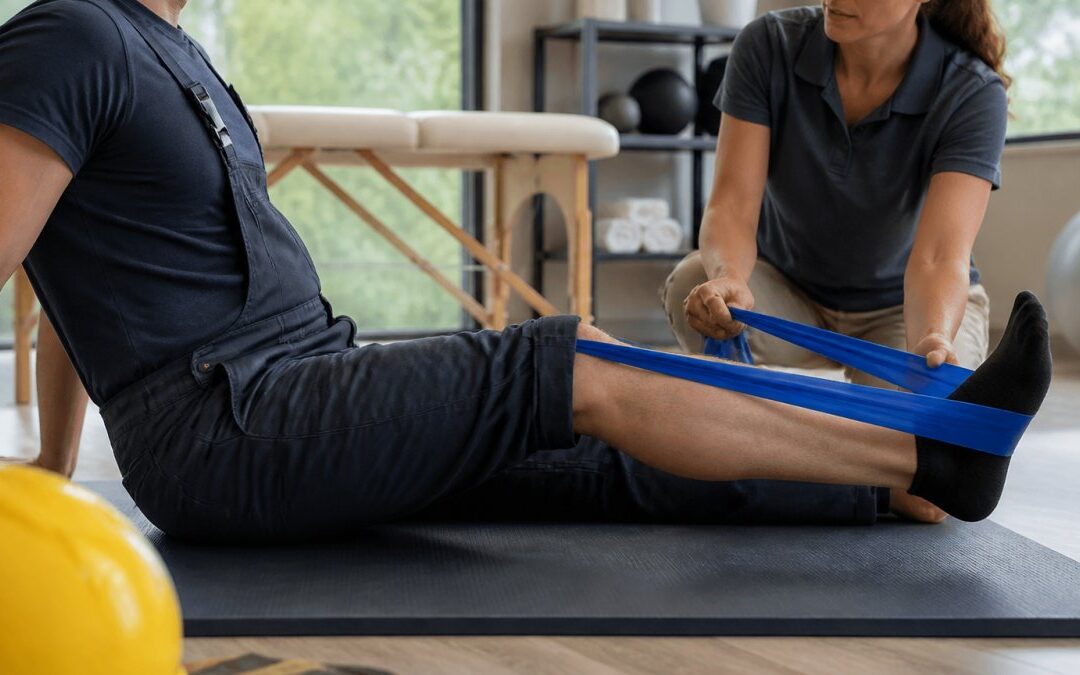
Exercises for Workplace Injury Recovery: A Step-by-Step Plan
read more

A step-by-step guide to exercises for workplace injury recovery, from gentle stretches to return-to-work training, plus how often to train and when

Learn how to verify therapist credentials step by step. Check licenses, confirm status, and use state board lookups to find a qualified therapist.
Have a free discovery call to talk with one of our therapists.
Last Updated: October 16, 2026
Anxiety after a physical injury is a normal stress response, not a sign of weakness. When the body is hurt, the brain treats the event as a threat and stays on alert long after the initial danger has passed. This guide from Elite Therapy Solutions explains how managing anxiety after physical injury fits into your recovery, and what you can do about it.
The emotional response to trauma is common. Fear, frustration, and stress often show up in the days after an accident or surgery. According to the American Psychological Association’s resources on trauma and stress, emotional reactions after a traumatic event are expected and usually ease with time and support.
A physical injury changes your daily life overnight. You may lose sleep, miss work, or depend on others for basic tasks. That loss of control feeds stress.
Many people find the mental side harder than the physical pain. The psychological impact can show up as:
Normal worry fades as you heal. A deeper problem does not.
Watch for warning signs that last more than a few weeks:
If these signs persist, talk to a healthcare provider. Anxiety is treatable, and asking for help is a strength, not a setback.
Fear of movement after injury, sometimes called pain-related fear or movement avoidance, is a specific anxiety in which you avoid using an injured body part because you expect pain or reinjury. It is one of the most common barriers to recovery, and it can quietly slow your progress even when the tissue itself is healing on schedule.
The mechanism is a loop, not a character flaw:
Breaking that loop is the goal. Pushing through pain is not.
Avoidance rarely looks dramatic. It looks like small choices that add up:
A useful self-check: write down the movements you have stopped doing since the injury. If the list is longer than your clinician’s restrictions, fear, not tissue, may be steering the plan.
The fix is not to push through pain. It is graded exposure: moving in small, guided steps that teach your nervous system the movement is tolerable.
A practical sequence most physical therapists use:
Work with a physical therapist to set safe limits and to distinguish “this is uncomfortable but safe” from “this is a signal to stop.” Each small win teaches your brain that movement is not the enemy.
Fear of reinjury tends to peak right before return to activity, not during the injury itself. That timing matters, because it is exactly when people rush, overdo it, or quietly quit.
Two habits help:
If fear of movement is still limiting you after your tissue has healed, that is a signal to bring it up with your care team rather than to push harder alone.
Managing anxiety after physical injury works best as a daily routine, not a one-time fix. The four steps below build on each other, so start where you are and add the next step when the first feels steady.

Name what you feel. “I am scared of reinjury” is easier to work with than a vague sense of dread.
Try this:
Recovery timelines vary by injury, age, and overall health. Ask your care team what a realistic range looks like for your case, then break it into weekly goals.
Track progress by function, not by the calendar:
| Goal Type | Weak Example | Strong Example |
|---|---|---|
| Daily movement | “Get better” | Walk 10 minutes without stopping |
| Strength | “Lift again” | Complete 2 sets of 8 seated rows |
| Confidence | “Stop worrying” | Do one exercise alone without checking in |
Coping skills work like exercise. They get stronger with repetition.
Tracking turns vague worry into data you can act on. Rate your anxiety from 1 to 10 each day. Note your sleep, pain level, and what you accomplished.
After two weeks, look for patterns. If anxiety spikes on days you skip movement, you have your answer.
Mental health during injury recovery deserves the same attention as your physical therapy. Emotional support speeds healing, while isolation slows it down.
Tell the people around you what you need. “I need help with groceries” is more useful than “I’m fine.”
Reach out to a counselor or therapist if anxiety lasts more than a few weeks, disrupts sleep or appetite, or turns into depression. Therapy gives you tools that work alongside your recovery plan.
Physical and mental health care work better together. Your physical therapist sees how fear affects your movement. Your counselor sees how pain affects your mood. When they talk, your care plan gets sharper.
At Elite Therapy Solutions, our fellowship-trained doctors of physical therapy partner directly with referring providers. That coordination means your doctor, therapist, and counselor all work from the same plan. Ask your care team to share notes, and bring your anxiety concerns to every visit.
Return to activity after injury should be gradual, not sudden. Your body needs time to rebuild strength, and your mind needs time to trust it again.
Use this checklist before returning to sport or work:
Expect some nervousness on your first day back. That is normal. Start at half the intensity you think you can handle, then build from there.
The CDC’s guidance on preventing reinjury and staying active safely is a useful reference for pacing your return without overdoing it.
Recovering from a physical injury takes patience, and the mental side of healing deserves the same care as the physical. If anxiety, fear of movement, or stress is slowing your progress, you do not have to manage it alone. Elite Therapy Solutions offers personalized therapy programs, fellowship-trained doctors of physical therapy, and direct collaboration with your referring doctor, so your recovery plan treats the whole person. Book an appointment with Elite Therapy Solutions and take the next step toward moving with confidence again.
Start by acknowledging your feelings without judgment. Use relaxation techniques such as deep breathing, meditation, or gentle yoga to calm your nervous system. Set realistic recovery goals and track small wins. Talk to your doctor or a physical therapist about your fears, especially fear of movement after injury. If anxiety persists, consider counseling or therapy. A support network of friends, family, and peers can also make a significant difference in managing injury anxiety.
Fear of movement after injury is common. Your body has learned to associate movement with pain, so your brain signals danger even when tissue is healing. This is a protective response, not a sign of weakness. A physical therapist can help you gradually reintroduce movement in a safe, controlled way, which retrains your nervous system and rebuilds confidence. Ignoring this fear can lead to avoidance and delayed recovery.
If anxiety interferes with daily activities, sleep, or your willingness to participate in rehabilitation, it is time to seek help. Warning signs include persistent worry, panic attacks, avoiding movement altogether, or feeling hopeless. A mental health professional can provide counseling or therapy tailored to injury recovery. Also, tell your doctor or physical therapist, as they can coordinate care and refer you to the right specialist.
Yes. Physical therapists are trained to address both the physical and psychological aspects of recovery. They use graded exposure, education, and personalized exercise plans to help you move without fear. By gradually increasing activity and celebrating small gains, you can rebuild trust in your body. If you are in Pennsylvania, Elite Therapy Solutions offers fellowship-trained doctors of physical therapy who specialize in this approach.