A step-by-step guide to exercises for workplace injury recovery, from gentle stretches to return-to-work training, plus how often to train and when
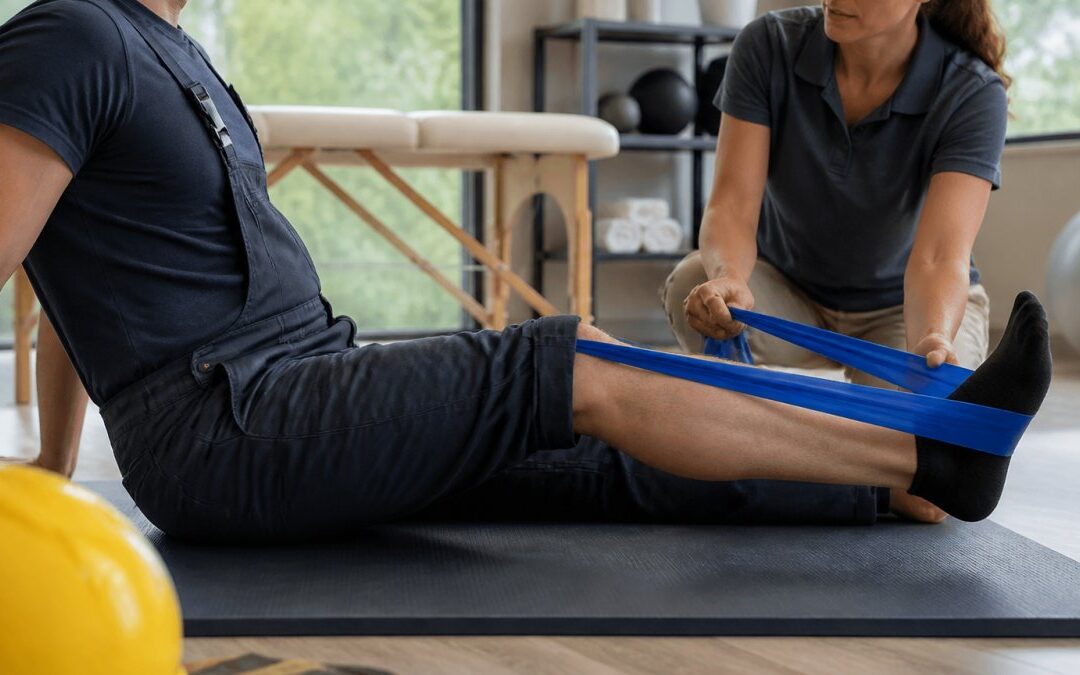
Exercises for Workplace Injury Recovery: A Step-by-Step Plan
read more

A step-by-step guide to exercises for workplace injury recovery, from gentle stretches to return-to-work training, plus how often to train and when

Learn how to verify therapist credentials step by step. Check licenses, confirm status, and use state board lookups to find a qualified therapist.
Have a free discovery call to talk with one of our therapists.
Last Updated: October 1, 2026
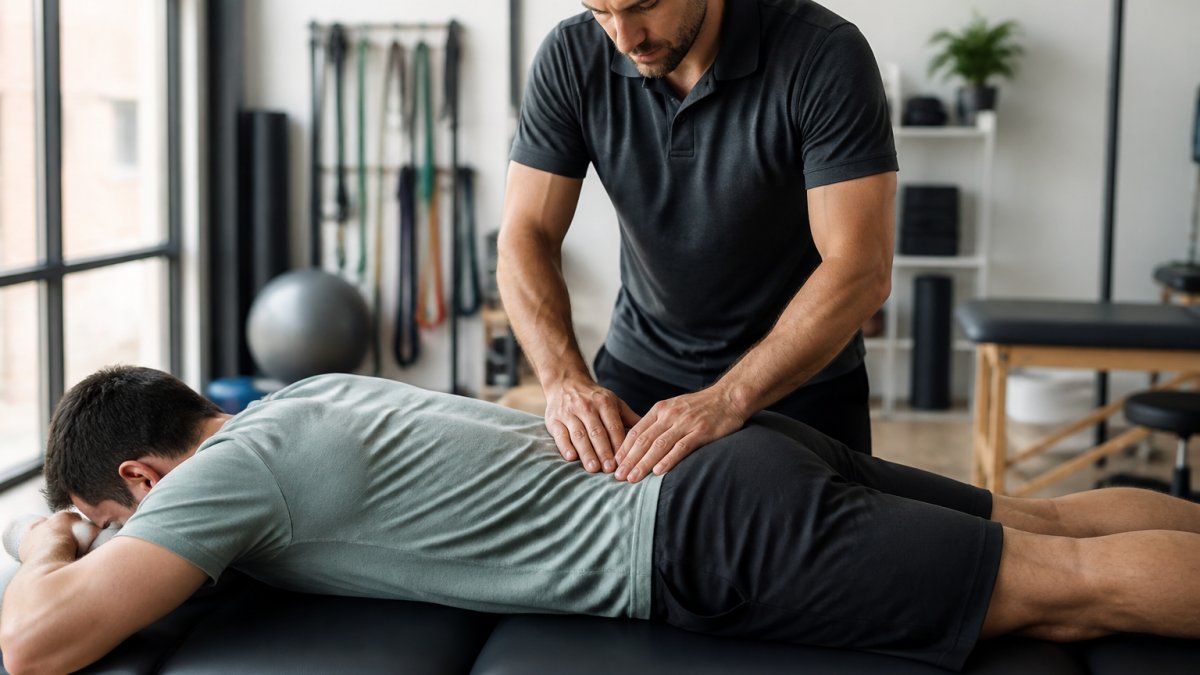
Orthopedic physical therapy for back recovery is a structured, movement-based approach that rebuilds strength, restores spinal mobility, and returns patients to daily activities after injury or surgery. This guide from Elite Therapy Solutions covers the process, timeline, and safe at-home exercises.
Orthopedic recovery works best when active: bed rest and painkillers quiet symptoms but do not rebuild the muscle support your spine needs. Benefits include pain reduction through gradual loading, improved spinal and hip range of motion, core strengthening, postural correction, and injury prevention.
Most patients attend physical therapy for back pain for six to twelve weeks, depending on condition, severity, and consistency with home exercises. Plans typically move through three phases: symptom management (weeks 1-2), mobility and stabilization (weeks 3-6), and functional movement (weeks 6+).
A common mistake is judging progress by pain alone: patients often feel better before their biomechanics improve, then re-injure themselves by ramping up too quickly. Track strength and movement quality, not just pain scores, and ask your provider about milestones if progress stalls.
These exercises for lower back recovery suit most people in early rehabilitation. Stop any movement that causes sharp or radiating pain, and get clinician clearance if you have had surgery or a diagnosed disc issue.
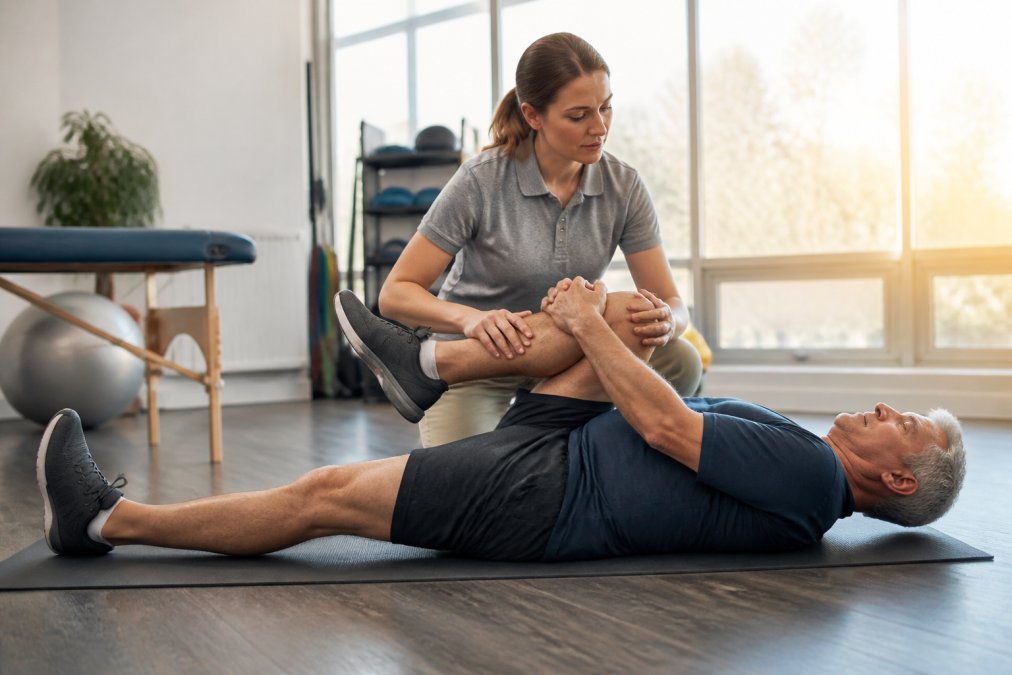
The first session is usually an assessment, not a workout: expect a review of range of motion, strength, and movement patterns, plus a conversation about goals and history. Your clinician then builds a plan around your condition.
Two things separate patients who recover well from those who cycle through flare-ups: consistency with home exercises between visits, and honesty about what hurts. Anxiety about re-injury is a real barrier, and good patient-centered care addresses it directly.
Back pain that lingers for weeks or returns after rest signals that your movement patterns need to change, not just your pain tolerance. Elite Therapy Solutions pairs fellowship-trained doctors of physical therapy with personalized programs built around your condition, and our clinicians collaborate directly with referring physicians so your care stays coordinated from the first visit. Book an appointment with Elite Therapy Solutions and start a recovery plan designed to get you moving again.
Physical therapy is a first-line treatment for many types of back pain, including herniated disc and chronic pain management. A therapeutic exercise program can reduce pain, improve range of motion, and build core strengthening. For some patients, it may prevent the need for surgery. However, results depend on the cause of your pain and how consistently you follow your rehabilitation plan. A physical assessment with a qualified professional is the best way to know what to expect.
Many patients notice some pain reduction within two to four weeks of starting a structured program. Full recovery timelines vary based on the injury, your overall musculoskeletal health, and how often you attend sessions. A herniated disc or post-surgical recovery may take several months. Your therapist will set milestones and adjust your treatment protocol as your physical function improves.
Your first visit usually includes a physical assessment, a review of your medical history, and a discussion of your goals. The therapist may check your spinal mobility, strength, and biomechanics. You will likely receive an initial rehabilitation plan and a few gentle exercises for lower back recovery to try at home. Wear comfortable clothing and be ready to describe when your pain started and what makes it worse.