A step-by-step guide to exercises for workplace injury recovery, from gentle stretches to return-to-work training, plus how often to train and when
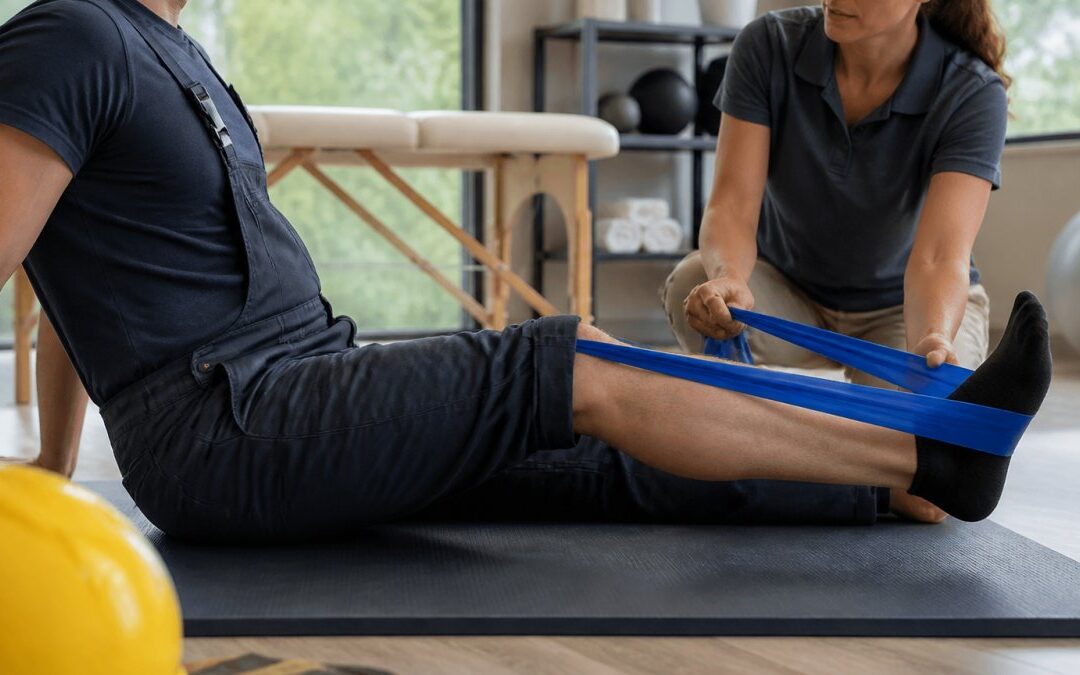
Exercises for Workplace Injury Recovery: A Step-by-Step Plan
read more

A step-by-step guide to exercises for workplace injury recovery, from gentle stretches to return-to-work training, plus how often to train and when

Learn how to verify therapist credentials step by step. Check licenses, confirm status, and use state board lookups to find a qualified therapist.
Have a free discovery call to talk with one of our therapists.

Last Updated: October 11, 2026
Vertigo is a spinning sensation that makes you feel like the room is moving when it’s actually still. Physical therapy for vertigo relief helps many people regain their balance within a few weeks.
Vertigo stems from problems in your inner ear or how your brain processes balance signals. Physical therapy exercises target the vestibular system directly, retraining it to work correctly again rather than masking symptoms.
Vestibular therapy is specialized physical therapy focused on your balance system. Your first visit includes an assessment using simple tests like following a moving target with your eyes while keeping your head still, to identify which part of your vestibular system needs work.
Treatment sessions typically last 30 to 60 minutes and combine in-clinic work with a home exercise program. Most people attend one to three times per week and notice improvement within the first week or two with daily home exercises.
BPPV (benign paroxysmal positional vertigo) is the most common type of vertigo, caused by tiny calcium crystals that move inside your inner ear (Benign Paroxysmal Positional Vertigo (BPPV)).
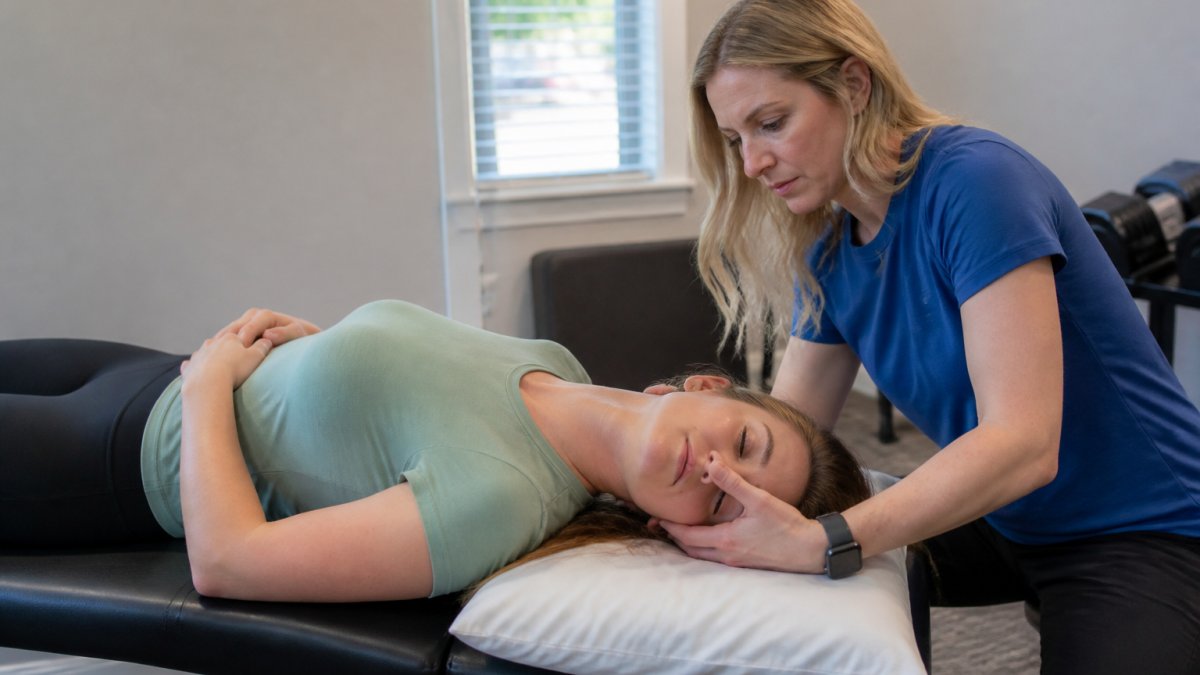
After repositioning, avoid certain head positions for 24 to 48 hours to let the crystals settle.
Home exercises are where real recovery happens. Your therapist will prescribe the right combination for your diagnosis.
For BPPV: Repositioning maneuvers (like the Epley maneuver, performed in-clinic) are primary. Home work focuses on head-movement tolerance and balance confidence once acute symptoms settle.
For vestibular neuritis, labyrinthitis, or central dizziness: Gaze-stabilization, balance, and habituation exercises are core, requiring consistent repetition over weeks.
For motion sensitivity or chronic dizziness: Habituation exercises (gradual exposure to triggering movements) combined with gaze work and balance training help your nervous system adapt.
Ask your therapist which category fits your diagnosis and which exercises to prioritize.
Gaze-stabilization exercises train your eyes to stay focused while your head moves, correcting the mismatch that causes dizziness.
Basic gaze-stabilization (VOR exercise):
Progression: Once easy, move your head back and forth more quickly (about two movements per second) for one minute, rest, then repeat twice.
Variation, target tracking: Hold a card with a letter on it at arm’s length. Focus on the letter.
When to progress: Move to the next level only when the current exercise feels easy. Mild dizziness is normal; severe symptoms mean you should stop and inform your therapist.
Balance exercises rebuild your confidence and strengthen the muscles that keep you upright. Start with exercises you can do safely, holding onto a counter or chair.
Standing balance progression:
Walking exercises:
Progression: Start with straight-line walking week one, add head-turn walking week two, add vertical head movement week three, and combine movements week four if stable.
Habituation exercises help your nervous system adapt to triggering movements by deliberately inducing mild dizziness in a controlled way.
Neck stretches with movement: Gently stretch your neck in all directions, holding each 15 seconds, twice daily.
Positional changes: Lie down and sit up slowly, repeating five times once daily. (Source: significant improvements in balance and reduction in dizziness)
When to use habituation: Your therapist will tell you if this approach fits your diagnosis.
If you have neck pain or stiffness: Avoid rapid head movements.
If you have recent back or spine issues: Avoid the Epley maneuver at home. Stick to gaze-stabilization and gentle balance work.
If exercises trigger severe symptoms: Stop immediately and contact your doctor. Mild dizziness during exercise is normal; severe symptoms are not.
If you are on blood thinners or have osteoporosis: Tell your therapist before starting.
Keep a simple log of your exercises: date, which exercises, how you felt, any triggers, and confidence level (1-10 scale). This helps your therapist adjust your program and shows progress within two to three weeks of consistent home exercise.
Recovery time varies by diagnosis, severity, age, and exercise consistency.
BPPV (benign paroxysmal positional vertigo):
Vestibular neuritis or labyrinthitis (inner ear inflammation):
Central dizziness or balance disorders:
Chronic dizziness or motion sensitivity:
Factors that speed recovery: Consistent daily home exercises, early therapy start, younger age, and good overall health.
Factors that slow recovery: Inconsistent exercises, delayed therapy start, severe initial symptoms, and older age.
Don’t wait for complete symptom resolution to know you’re improving. Track these functional milestones:
Week 1-2:
Week 2-4:
Week 4-6:
Week 6+:
Keep a simple symptom log: date, dizziness severity (0-10), triggers, episode duration, and confidence level (0-10). Weekly, note average severity, good days versus bad days, and new activities you can do.
Show this log to your therapist every visit. Patterns often become clear: “I’m dizzy mainly when I turn my head quickly” or “I’m improving steadily but had a setback after I skipped exercises for two days.” This information helps your therapist adjust your program.
Your therapist will recommend discharge when:
Most people are discharged within four to eight weeks. Some are ready in two to three weeks; others need ten to twelve weeks. This is normal.
If you don’t notice improvement after three to four weeks of consistent therapy:
The single strongest predictor of recovery speed is consistency with home exercises. People who do their exercises daily recover 30-50% faster than those who do them sporadically. Your therapist can guide you through movements in the clinic, but the real work, and the real recovery, happens at home.
Not all dizziness is BPPV or vestibular. Your therapist will screen for serious causes during your first visit. Seek immediate care for sudden severe headache, chest pain, difficulty speaking, facial drooping, or one-sided weakness.
Vertigo disrupts your life, but it’s treatable. Physical therapy for vertigo relief addresses the actual problem rather than just masking symptoms. Elite Therapy Solutions provides personalized physical and occupational therapy services designed to help patients overcome pain, heal from injuries, and improve mobility.
Yes. Physical therapy addresses vertigo and dizziness by retraining your vestibular system, the inner ear structures that control balance. Vestibular rehabilitation uses repositioning maneuvers, gaze-stabilization exercises, and balance training to reduce symptoms and improve stability. Treatment effectiveness depends on the underlying cause (such as BPPV, vestibular neuritis, or post-concussion dizziness) and how consistently you perform prescribed exercises. A physical therapist will assess your condition and create an individualized treatment plan tailored to your specific diagnosis.
BPPV occurs when calcium carbonate crystals (canaliths) become dislodged in the inner ear’s semicircular canals, triggering sudden spinning sensations with head movements. Physical therapy treats BPPV through canalith repositioning maneuvers, most commonly the Epley maneuver, which moves the crystals back to their proper location. Many patients experience significant relief after one or two treatment sessions. A physical therapist will assess which canal is affected and perform the appropriate repositioning technique, then provide instructions for home care to prevent recurrence.
Yes, home exercises are a critical part of vestibular rehabilitation and can be performed safely when properly prescribed by a physical therapist. Your therapist will teach you gaze-stabilization exercises, balance retraining, and walking exercises tailored to your condition and symptom provocation tolerance. Start slowly and progress gradually as directed. Stop immediately if you experience severe dizziness, chest pain, or vision changes. Always have a clear space and support nearby. Your therapist will monitor your progress and adjust exercises as your balance improves.
Treatment timeline varies based on the cause and severity of your vertigo. BPPV often improves within one to two treatment sessions after successful canalith repositioning. Other vestibular conditions typically require 4 to 12 weeks of consistent therapy, with noticeable improvement often appearing within 2 to 3 weeks. Habituation exercises work by gradually reducing motion sensitivity through repeated, controlled exposure. Your physical therapist will track measurable progress through balance assessments and functional improvements, adjusting your program as needed to maintain momentum.