Preparing for surgery? Learn how prehab before surgery and post-surgical physical therapy can help improve strength, mobility, confidence, and recovery.

Physical Therapy Before & After Surgery | Prehab & Recovery
read more

Preparing for surgery? Learn how prehab before surgery and post-surgical physical therapy can help improve strength, mobility, confidence, and recovery.
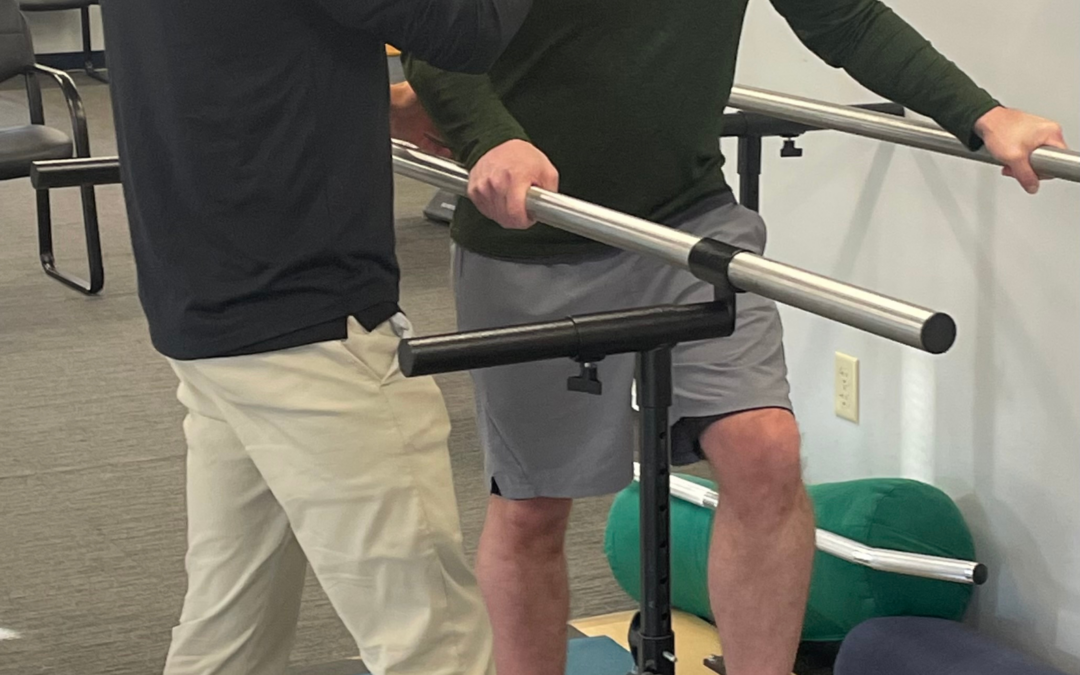
Learn how physical therapy improves balance, treats dizziness and vertigo, prevents falls, and helps you move with confidence. Schedule a balance assessment today.
Have a free discovery call to talk with one of our therapists.

While physical rehabilitation post-surgery seems to be standard operating procedure, did you know pre-operative rehabilitation is just as important? In fact, implementing a rehabilitative program prior to surgery can actually cut down on recovery time, complications, and even healthcare costs!
Following surgical procedures, patients often experience a decline in strength and function, as well as increased inflammation, pain, and swelling. Over a clinically suggested 6-week time frame prior to surgery, a physical therapist will assess the patient for muscle and joint strength, ability to move and perform day-to-day tasks, and degree of independence—all of which are crucial in creating the patient’s individualized pre-surgical rehabilitation plan. From there, the goals of this plan are simple:
By addressing key muscles, joints, and tissue anticipated to be affected by the procedure ahead of time, physical therapists are able to enhance post-operative outcomes. According to the American Physical Therapy Association (APTA), participating in just 1-2 pre-operative rehabilitative sessions can reduce postoperative care by 29%, which translates into healthcare savings of more than $1,000 per individual.
*Study based on patients with total knee or hip replacement
Sources: